


Jigsaw Drop: Solitaire Puzzle
4.61.20K Reviews
App Specs
- Version
- 1.0.15
- Updated On
- License
- Free
- Downloads
- 5,000,000+
- Developer
- Runyou
- Categories
- Puzzle
- Platform
- Android
Screenshots
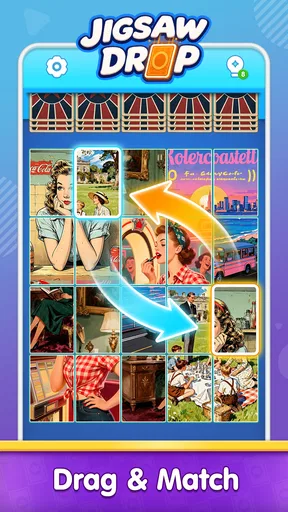
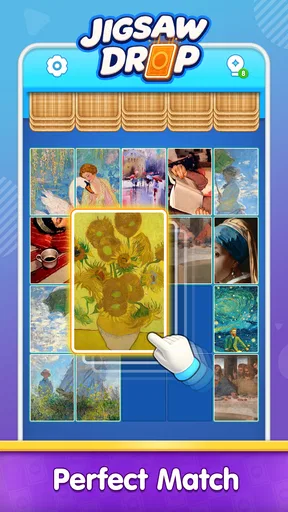
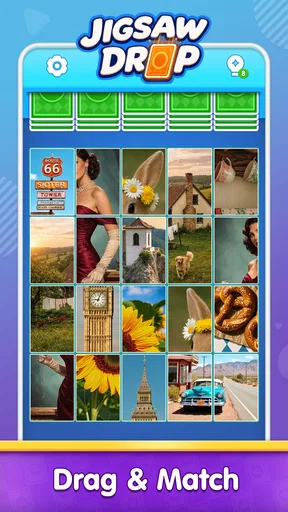
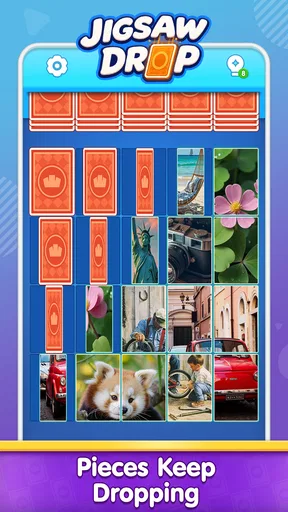
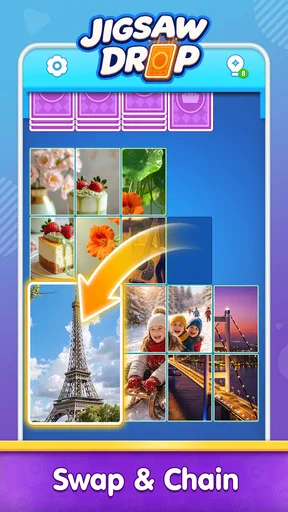
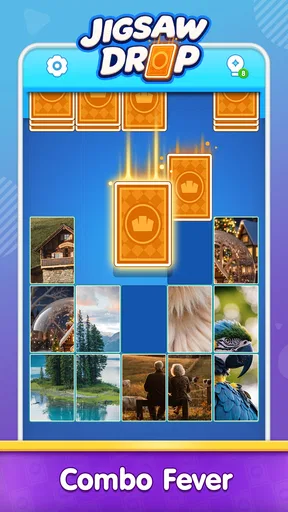
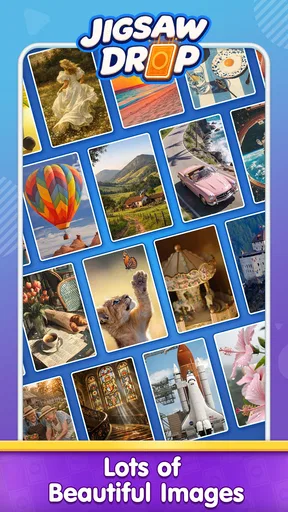
 Analysis by AppCompare
I’m usually wary of puzzle games that promise a clever mash-up, because the two halves can feel like separate activities forced together. Jigsaw Drop: Solitaire Puzzle has a clear central appeal, though: it links card-based decisions with the gradual satisfaction of assembling an image. That gives a short play session a small sense of direction, rather than leaving me with only a shuffled deck to clear.
What the free download means
The game is free to download, so trying it does not require an upfront purchase. That is the firmest part of the value equation: you can see whether this particular combination suits you before paying anything. I would treat “free” as the cost of entry, not as a promise that every possible feature or future option is free. If you are deciding whether to install it, the sensible question is whether the core puzzle loop is enjoyable enough to keep on your device.
It is a puzzle game from Runyou, rated for Everyone, and it has a 4.7 average from around 9,400 ratings. It has passed 100,000 installs, which suggests a healthy audience, though popularity alone cannot tell you whether its pace will suit you. The game was released on May 9, 2026, and version 1.0.3 is the current version. It requires Android 7.0 or later. Those details make it easier to judge basic compatibility and context without confusing a free download with a guarantee of a particular long-term experience.
How the card-and-picture loop feels
I find the appeal of this section less in the promise of a finished picture than in how the card decisions give each small step a purpose. That distinction matters if you are choosing between this hybrid and a straightforward solitaire or jigsaw app: the best fit depends on which part you want to occupy your attention. From there, it is worth looking at how that balance shapes the pace of an ordinary session.
Two familiar ideas, one shared goal
The basic premise is easy to understand: play solitaire, then earn progress toward a jigsaw image. I like that the picture gives the card play a visible payoff. Instead of treating each round as an isolated attempt to clear cards, I have a broader objective to return to. That connection is the game’s most distinctive idea, and it should appeal especially to people who enjoy both gentle card puzzles and the gradual reveal of an image.
The trade-off is that this is not the same as opening a traditional jigsaw and freely sorting pieces. The card game is part of the route to the picture, so someone who wants uninterrupted image assembly may find the structure indirect. Likewise, a solitaire fan looking for a deep range of card rules may prefer a dedicated card app. The hybrid is most compelling when you enjoy switching between those kinds of attention rather than focusing on only one.
A useful fit for brief breaks
I can picture using it while waiting for a coffee, taking a quiet break between tasks, or settling in for a few minutes before bed. The appeal is not that it demands a long uninterrupted session; it is that a round can give a small, contained challenge and a sense of progress. On a commute, I would choose it when I have enough attention to think through card moves, not when I am moving through a crowded station or need to watch for announcements.
Worth Reading Before You Choose

EA SPORTS FC Mobile 26 Is a Bigger Football Game, but It Takes Time

Flipboard Shows What News Apps Must Do Beyond the Feed

Switching to Android Auto Means Rethinking Your Driving Routine

Google Calendar Makes a Crowded Week Easier to Manage

Ludo King Makes the Most of the Minutes Between Plans

Baby Panda World Brings Quick Play to Modern Phones, but Its Game Library Feels Busy
A practical way to approach the game is to treat each session as a stopping point rather than feeling obliged to finish a whole image at once. That keeps the relaxing side intact and makes the gradual picture progress feel like a bonus. If you tend to lose track of time in games, deciding in advance to play for one short break can help; the satisfaction of earning another piece can make “just one more” tempting.
What it does well—and where the fit narrows
The combination gives routine solitaire a visible longer-term purpose, while the picture offers a different kind of reward from simply clearing a layout. That can make the game feel more inviting when you want something low-pressure but still want a reason to think ahead. It is also approachable for people who already know the basics of solitaire and want a modest change of pace without learning an entirely unfamiliar puzzle format.
That same simplicity may be a limitation. If you want demanding logic problems, competitive card play, or full control over arranging a large jigsaw, this is not the obvious first choice. It is better understood as a casual puzzle experience than as a substitute for specialist solitaire or jigsaw apps. The best comparison is not “which one is universally better,” but whether you want card decisions to lead into a picture or want either activity on its own.
Another useful trade-off to keep in mind is how the two activities divide your attention. When you are focused on planning a card move, the image reward is a longer-term incentive; when you are eager to see the picture come together, the card stage can feel like a gate. I would recommend trying it with both expectations in mind. If the process itself feels pleasant, the structure works; if you only enjoy the final image, a conventional jigsaw is likely to feel more direct.
Who is likely to get the most from it?
I’d point this toward casual players who like familiar rules, small goals, and a visual payoff that builds over time. It may also suit someone who wants a calm alternative to fast action games during a quiet moment. The Everyone age rating makes it broadly accessible in that sense, although a parent should still decide whether the play style is a fit for a particular child rather than relying on an age label alone.
I would skip it if your priority is a substantial solitaire challenge, a large collection of standalone jigsaw puzzles, or a competitive experience. It may also be a poor match if you dislike games that connect progress in one activity to rewards in another. Choosing a dedicated app for the activity you care about most will give you a more direct experience.
Small ways to make a session work better
For a more satisfying session, I’d play when I can give the card layout a little attention rather than tapping through moves while distracted. Solitaire rewards looking ahead, and a rushed move can make a relaxing game feel needlessly frustrating. If you are playing in a short window, focus on making thoughtful moves rather than setting yourself the goal of completing a whole picture before you stop.
It can also help to notice which half you enjoy more after a few sessions. If the card decisions are the fun part, let the image be a pleasant extra. If the visual progress is what keeps you interested, use it as a gentle reason to return, while remembering that the solitaire stage remains central to the loop. That simple distinction can tell you whether this hybrid is a lasting fit or merely a novelty.
Questions worth considering before installing
Will it work on an older Android phone? The minimum requirement is Android 7.0, so a device running that version or a newer one meets the stated OS requirement. Is it free to try? Yes, there is no upfront download price. Does that settle every question about possible in-game costs? No; free access by itself does not establish the terms of any optional purchases, so I would check the app’s current purchase information before spending money.
Is it suitable for a quick session? Its linked card-and-picture structure makes it a reasonable choice for a short break, though the precise length of a round can vary with how you play. Is it the right pick for someone who only wants jigsaws? Probably not: a dedicated jigsaw title removes the card step. And if you only want classic solitaire, a focused solitaire game is the cleaner option. The hybrid earns its place when you are genuinely interested in both parts.
A measured value judgment
Because the game is free to download, I see little reason not to test the core idea if you already enjoy casual puzzles and your device meets the requirement. Its value comes from whether the picture reward makes solitaire more appealing to you, not from a promise that it will replace every other puzzle app. I would keep it if that pairing makes ordinary downtime more enjoyable; I would move on without hesitation if I find myself wishing the card stage or the jigsaw stage would simply disappear.
The 4.7 average and the audience of more than 100,000 installs are encouraging signals, but they are not a personal recommendation tailored to your taste. What matters more is the rhythm: a familiar card challenge, a gradual image goal, and a low-pressure way to fill spare moments. That is a specific kind of value, and it is strongest for players who want a small ongoing objective rather than a deep or highly competitive puzzle.
Getting to Know the game
First off, this is not just another puzzle game. It stands out by combining two beloved game styles into a single, seamless experience. You start with a simple solitaire game, and as you progress, you unlock pieces of a jigsaw puzzle. Your goal? Complete the puzzle while enjoying the strategic play of solitaire. It’s a creative twist that keeps you coming back for more.
The Gameplay Experience
Diving into the gameplay, it’s clear that the developers have put a lot of thought into making this app accessible and enjoyable for all ages. With intuitive controls, even those who aren’t tech-savvy will find it easy to navigate. The solitaire portion is straightforward yet challenging, requiring you to think a few steps ahead. Meanwhile, the jigsaw aspect adds a layer of excitement as you anticipate revealing the final picture.
The app is designed to be user-friendly, with a clean interface and vibrant graphics that aren’t too hard on the eyes. This makes for a pleasant gaming experience, whether you're playing for a few minutes on your break or settling in for a longer session.
Why It’s Worth Downloading
One of the standout features of Jigsaw Drop: Solitaire Puzzle is its ability to keep you engaged without overwhelming you. It’s a game that respects your time, offering quick rounds that you can fit into any schedule. Plus, the sense of achievement as you complete each puzzle piece by piece is incredibly rewarding.
Moreover, the game offers a variety of puzzles, ensuring that you never get bored. Each puzzle has a unique theme and design, adding to the overall replayability. The developers also frequently update the game, introducing new puzzles and features to keep things fresh.
Community and Connectivity
Another aspect worth mentioning is the community support surrounding the app. Players can connect with friends or other users, sharing their achievements and even competing in friendly challenges. This social element adds a layer of fun and motivation, encouraging you to improve your skills and complete more puzzles.
The app also ensures that your progress is saved across devices, meaning you can pick up right where you left off, whether you’re on your phone or tablet. This cross-platform functionality is a huge plus for those who like to switch devices.
Final Thoughts
In conclusion, Jigsaw Drop: Solitaire Puzzle is a delightful app that offers a fresh take on two classic game genres. Whether you’re a fan of solitaire, jigsaw puzzles, or both, this app promises hours of entertainment. It’s perfect for unwinding after a long day or sharpening your mind during your morning commute.
So, if you’re looking for a game that challenges your brain while still being relaxing, give it a try. It’s an enjoyable escape into a world of puzzles that’s just a download away.
Pros
- Intuitive drag-and-drop controls.
- Diverse puzzle challenges offered.
- Visually appealing graphics.
- Regular updates with new content.
- Suitable for all age groups.
Cons
- Requires constant internet connection.
- In-app purchases can be pricey.
- Occasional ad interruptions.
- Limited offline functionality.
- High battery consumption.
FAQs for Jigsaw Drop: Solitaire Puzzle
What is Jigsaw Drop: Solitaire Puzzle?
Jigsaw Drop: Solitaire Puzzle is a unique blend of jigsaw puzzles and solitaire card games, offering a relaxing yet challenging experience. Players must strategically drop puzzle pieces to complete full images while enjoying a solitaire-like gameplay. It’s available for both Android and iOS platforms.
Is Jigsaw Drop: Solitaire Puzzle free to play?
Yes, Jigsaw Drop: Solitaire Puzzle is free to download and play. However, it offers in-app purchases that can enhance the gaming experience, such as additional puzzle packs, hints, or ad-free gameplay. These purchases are optional and not necessary to enjoy the core game.
What are the main features of Jigsaw Drop: Solitaire Puzzle?
The game features a variety of puzzles with different themes and difficulties, daily challenges, and a relaxing soundtrack. It combines strategic card placement with puzzle-solving skills, providing hours of engaging gameplay. The app also supports offline play, so you can enjoy it without an internet connection.
Can I play Jigsaw Drop: Solitaire Puzzle offline?
Yes, you can play Jigsaw Drop: Solitaire Puzzle offline. Once the app is downloaded, you can enjoy the puzzles and challenges without an internet connection, making it perfect for commuting or travel. However, some features like leaderboards may require online access.
Are there any system requirements for Jigsaw Drop: Solitaire Puzzle?
Jigsaw Drop: Solitaire Puzzle requires iOS 10.0 or later for Apple devices and Android 5.0 or later for Android devices. It’s optimized for both smartphones and tablets, providing a seamless gaming experience across multiple devices. Ensure your device meets these requirements for the best performance.


